

Most personalized masks fail for one of two reasons. Either the printed face bears no resemblance to the uploaded photo, or the wearer pulls it off after ten minutes because they cannot see or breathe. Neither problem is fixed by a better design. Both are decided before the order is placed, by the artwork file and by the construction of the mask itself.
This guide covers what matters: what “3D printed” means on a stretch mesh mask, how one shell fits many head shapes, how to prep a photo that still reads at arm’s length, and how to wash it so the print does not craze after three wears.
What “3D Printed” Means on a Face Mask
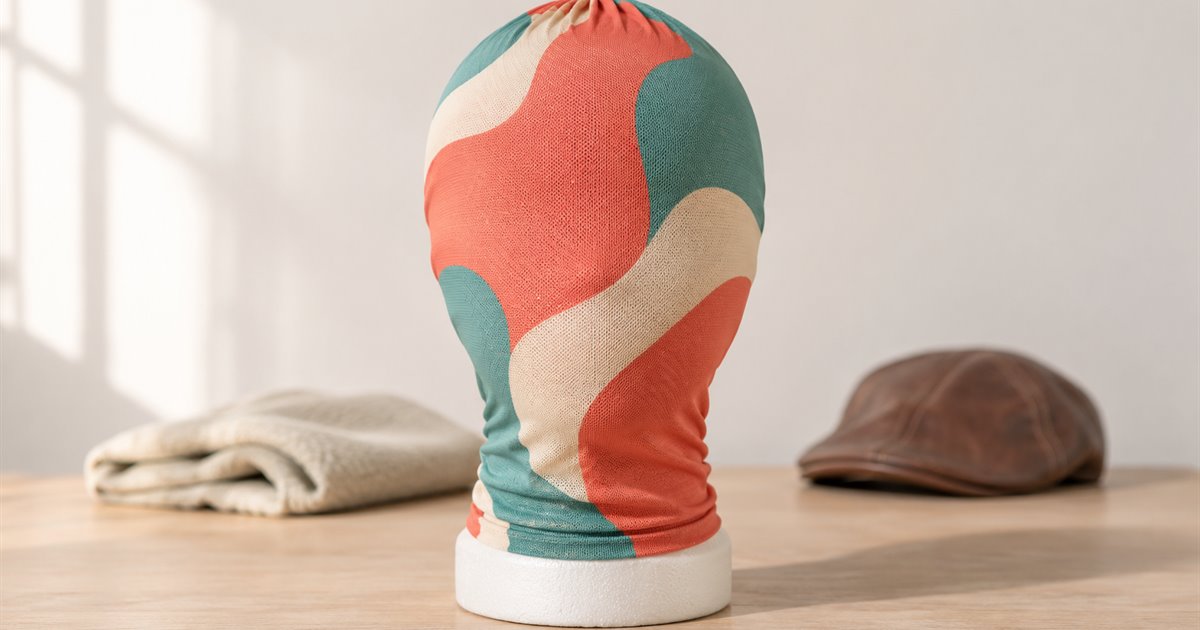
The phrase gets used loosely. On a mask it almost never means a rigid sculpted shell. It means a full-face print that wraps continuously around a curved surface, so the image reads from the front and both sides rather than sitting flat on a panel.
A print wrapped over a stretch shell
The substrate is a fine knit mesh with enough elasticity to pull over a head and recover. Your photo is printed across the whole shell in one pass, which is why a portrait’s eyes land roughly where the wearer’s are. The wrap is what sells the effect from across a room.
Mesh versus molded rubber
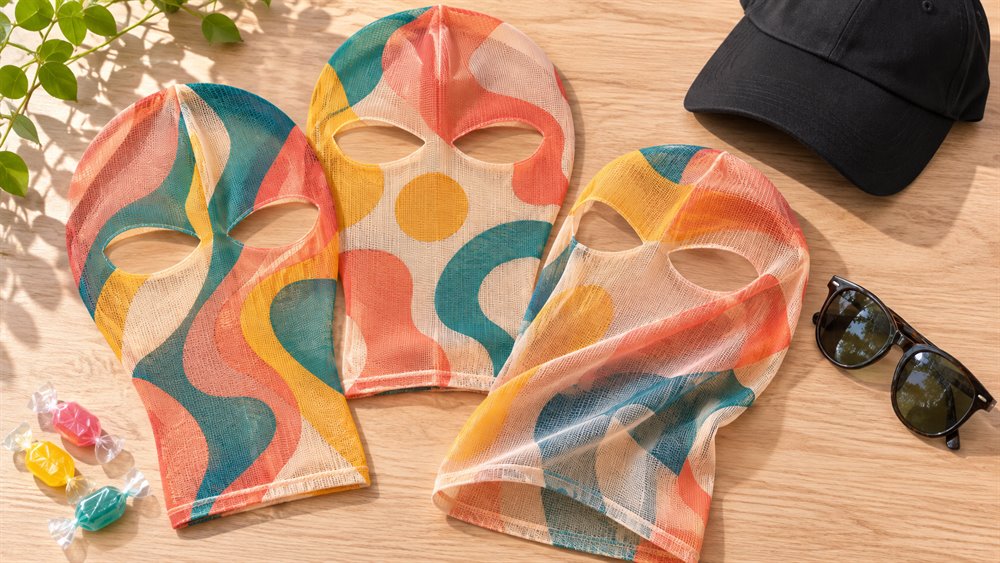
A molded rubber mask holds a sculpted shape, but it traps heat and you look out through small punched eye holes. A printed mesh mask sits flat and you see through the fabric itself, which is far more comfortable for a long evening and packs down to nothing. The trade-off: mesh cannot reproduce hard relief, so a design built on a three-dimensional snout or brow will not translate.
What the process reproduces well, and what it cannot
Photographs with clear shapes and strong tonal separation print beautifully, as do pet photos, logos with bold type and colorful character designs. What dissolves is fine detail: 6-point logo text, hairline gradients, dense dot patterns. Anything thinner than a couple of millimeters at final print size reads as mud.
Fit: One Shell, Many Head Shapes
The stretch factor does the work
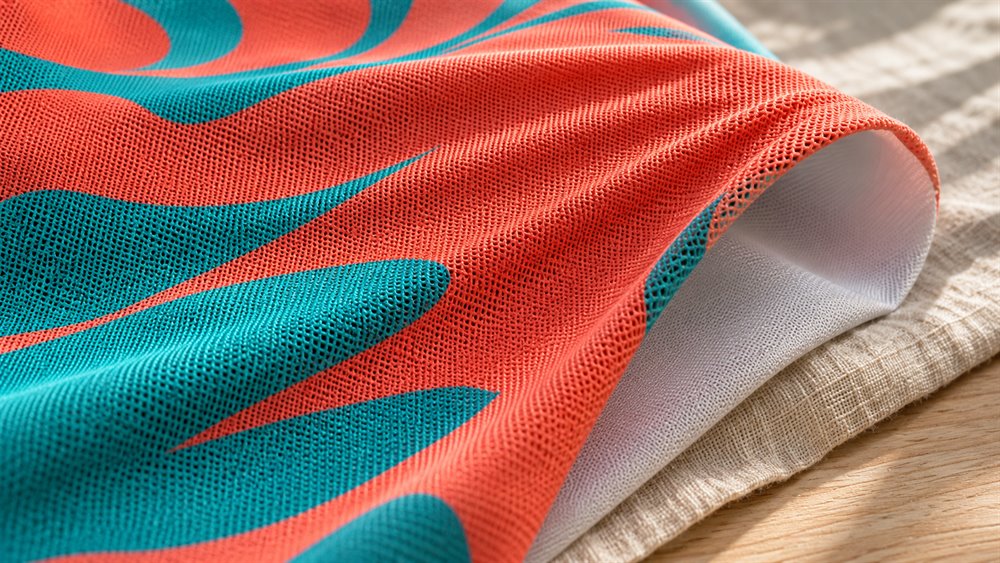
These masks are built as a single stretchable size rather than a size run. The knit pulls to fit most adult head shapes and also fits older kids, loosely. The fit is forgiving because the fabric conforms instead of resisting, which is why the mask looks slightly different on every wearer.
Where the eye openings should land
Pull the mask on and check the eye line first. The printed eyes should sit level with your own; if the print rides high, the mask sits too far back on the crown. Most fit complaints are really placement complaints, and tugging the back seam down fixes them.
Glasses, hair and hats
Glasses worn over the mesh help pin it in place and stop it creeping up. Tie long hair low rather than piling it on top, since a bun lifts the shell and skews the printed face upward. A beanie over the back of the head tightens a loose fit and hides the gathered seam.
Comfort Across a Full Evening
Breathability is a function of mesh density
A denser mesh prints more crisply but moves less air. In a heated room or under stage lights, that difference decides whether the mask stays on until midnight. If you plan to wear it for hours rather than for a photo, treat airflow as equal in importance to sharpness, and take it off every twenty minutes in a warm room to let the inside dry.
You see through the fabric, so lighting matters
Because there are no cut eye holes, visibility depends on how much light reaches the inside of the shell. Bright rooms are fine; a dark haunted house or dim bar is not. If the venue is dark, lift the mask between photos rather than wearing it continuously.
Preparing the Photo That Gets Printed
Resolution beats everything
Upload the largest version of the file you have. A photo pulled from a messaging app is compressed to a fraction of its detail, and that compression produces the soft, smeared face people complain about. Aim for at least 1500 pixels on the long edge, and never send a screenshot instead of the file.
Light the face evenly
Front-lit, even exposure with detail in both highlights and shadows prints best. Harsh flash flattens features, and a face half in shadow becomes one dark mass once the tonal range is squeezed onto fabric. If flash is all you have, lift the shadows slightly first.
Crop tight, and center the face
Fill the frame with the head. A photo where the person occupies a small part of the shot wastes printable area on background. Crop to the shoulders and keep the eyes on the midline.
Avoid busy backgrounds
Patterned wallpaper, a crowded room or a shelf of objects behind the subject all compete with the face once the image wraps around a curved shell. Plain walls, sky or a soft blur let the face dominate. For group orders, use the same background for every photo so the set looks deliberate.
Where These Masks Earn Their Place
These masks work hardest where the likeness is the point: Halloween, costume parties, bachelor weekends, school spirit days, and team events where a group wants matching masks with different faces. They also make a funny gift: the recipient’s own photo is the punchline, and $9.99 is a low-stakes way to test the reaction.
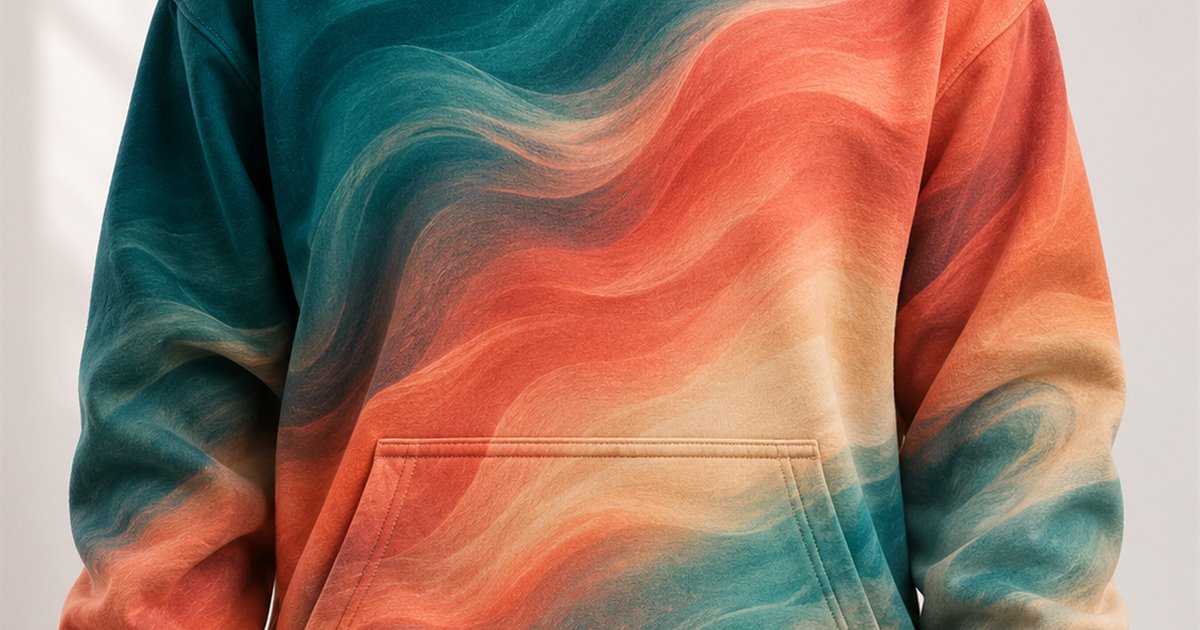
They pair naturally with the rest of a printed outfit. A custom all-over print t-shirt carries the same artwork across a garment, and a 3D printed hoodie gives the costume a body. Building a group look starts with the apparel collection, or browse the full shop for pieces sharing a palette.
Care and Storage
A printed mesh mask is tough, but two habits ruin it fast: hot water and the dryer.
- Hand wash cold, or use a mesh bag on a delicate cycle. Heat sets a print into permanent fine cracks.
- Skip the dryer. Press the water out in a towel and lay the mask flat to air dry, away from direct sun.
- Never wring or twist. The knit stretches out of shape and the print distorts with it.
- Store flat or rolled loosely. Folding on the same line each time creates a crease that cracks the ink.
- Keep it out of a hot car, where summer heat finishes a print faster than a year of wearing.
- Spot clean between wears. A damp cloth on the inside saves a full wash.
Treated this way, a printed mask holds color through a full season of parties. Treated carelessly, the first wash is the last time it looks right.
Common Mistakes to Avoid
- Uploading a screenshot or a compressed chat-app copy. The single biggest cause of a blurry printed face.
- Sending a photo where the head fills a quarter of the frame. Crop in before uploading.
- Choosing dense mesh for a long, warm event. Airflow beats a marginal gain in sharpness.
- Expecting sculpted relief. Mesh reproduces images, not three-dimensional features.
- Washing warm and tumble drying. Heat destroys the print, not wear.
Frequently Asked Questions
How does a custom 3D printed face mask fit if it comes in one size?
The shell is a stretch knit rather than a molded size, so it pulls over most adult head shapes and recovers. It fits closely on smaller heads and more snugly on larger ones, and a hat over the back tightens a loose fit.
Can I see and breathe through a printed mesh mask?
Yes. There are no cut eye holes: you look through the fabric, which is why the mask works in normal indoor lighting and struggles in a dark room. The mesh passes air, so it wears far better for hours than rubber, though a dense print moves less air than an open knit.
Will my photo look blurry on the finished mask?
Only if the source file is low resolution. Upload at least 1500 pixels on the long edge, from the original file rather than a messaging app, with the face large in the frame. Fine text under a few millimeters softens no matter what; bold shapes and clear faces do not.
How do I wash a printed face mask without ruining the print?
Hand wash in cold water with mild detergent, or use a mesh bag on a delicate cycle. Do not wring it, press the water out in a towel, and lay it flat to air dry. Skip the dryer and iron entirely, and keep it out of a hot car.
Are these masks good for group costumes and events?
They are one of the cheaper ways to make a group look coordinated, because each person supplies their own photo. Order the group’s shirts from the same custom apparel range so faces and outfits read as one set, and allow a week of lead time.
Order the Mask
Start with a photo you own at full size: front-lit, cropped to the shoulders, nothing busy behind the head. Upload it to the custom 3D printed face mask, check the eye line when it arrives, and wear a cap if the fit runs loose. Keep it out of the dryer and it survives a whole Halloween season, not one night.

Leave a comment